
The Importance of Valves in Modern Industry
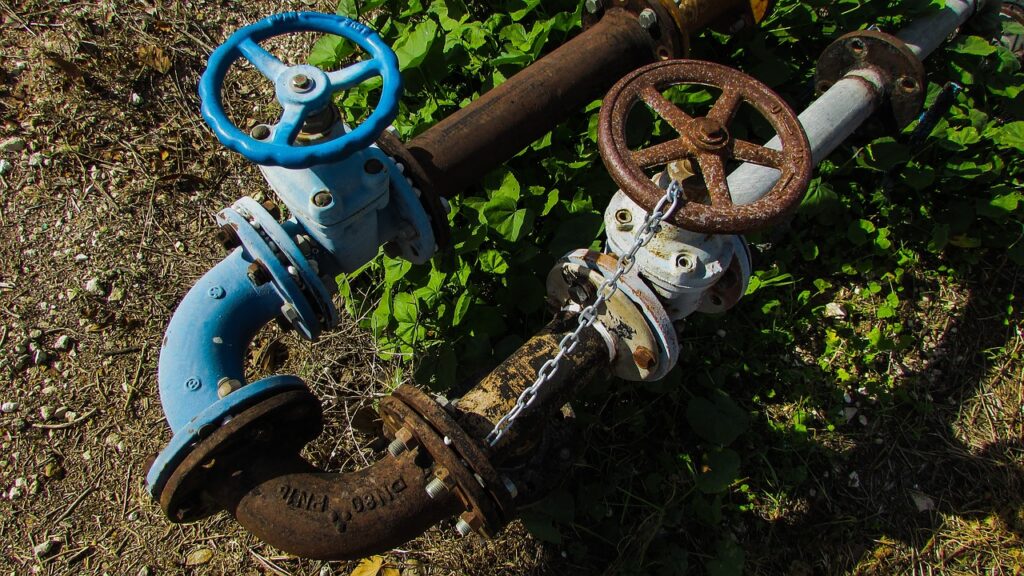
The Importance of Valves in Modern Industry
Valves are essential components in various industries, playing a pivotal role in controlling the flow of liquids, gases, and other substances through pipelines and machinery. Whether in manufacturing, energy production, water treatment, or petrochemicals, valves ensure the safe and efficient operation of critical systems. Their versatility and reliability make them indispensable in a wide range of applications.
What Are Valves?
A valve is a mechanical device used to regulate, direct, or control the flow of fluids by opening, closing, or partially obstructing passageways. Valves come in different types, each designed to perform specific functions. The most common types include ball valves, gate valves, globe valves, and check valves, among others. Each valve is constructed to withstand various levels of pressure, temperature, and the type of medium it controls, ensuring that the system operates smoothly and safely.
Key Types of Valves and Their Applications
- Ball Valves
Ball valves are widely used for their durability and quick, reliable shutoff. They are typically employed in industries such as oil and gas, water treatment, and chemical processing, where high pressure and precision are required. These valves use a spherical ball with a hole in the center to control flow. When the hole aligns with the pipeline, fluid flows through; when the hole is perpendicular to the pipeline, the flow is stopped. - Gate Valves
Gate valves are designed for applications requiring full flow control with minimal pressure drop. These valves are used in industries where a complete shutoff is necessary, such as water treatment plants or HVAC systems. Gate valves consist of a wedge-shaped gate that moves up and down to either allow or block fluid flow. - Globe Valves
Globe valves are typically used for regulating flow. They have a spherical body shape and are ideal for applications where precise control of fluid or gas flow is required. These valves are often found in power plants, chemical plants, and other industries where flow rate adjustments are needed regularly. - Check Valves
Check valves are designed to prevent backflow, ensuring that fluids move in one direction only. They are crucial in systems where reverse flow could damage equipment or compromise safety, such as in pump systems, wastewater treatment, and oil and gas pipelines.
Why Are Valves So Important?
Valves are vital for maintaining the safety, efficiency, and sustainability of various industrial processes. Their main functions include:
- Flow Control: Valves regulate the flow of liquids, gases, or slurries, ensuring systems operate at optimal levels. Without proper flow regulation, systems could either overflow or become inefficient, causing production delays and possible damage.
- Pressure Relief: Valves help in maintaining pressure levels within acceptable limits. Over-pressurization can cause system failure or catastrophic accidents, so pressure relief valves are essential for safety.
- Safety and Compliance: Many industries, such as oil and gas, chemicals, and pharmaceuticals, operate under stringent safety regulations. Valves help ensure systems comply with these regulations by providing reliable shutoff, pressure control, and flow management.
- Energy Efficiency: Properly functioning valves contribute to energy efficiency by preventing energy losses caused by leaks or incorrect flow rates. In industries like power generation and water treatment, energy savings can be significant.
Selecting the Right Valve for Your Needs
Choosing the right valve for a specific application requires considering several factors, such as the type of fluid being transported, the pressure and temperature conditions, and the required flow control precision. Other considerations include material compatibility, ease of maintenance, and cost.
It’s essential to partner with experienced manufacturers and suppliers who can provide expert guidance and high-quality valves that meet the demands of your system. A well-selected valve ensures long-term performance, reduces maintenance costs, and enhances the overall safety of the system.
Conclusion
Valves are integral to modern industrial processes, providing control over fluids, gases, and other substances. Their diverse applications and importance in maintaining efficiency, safety, and compliance make them indispensable in a range of sectors. Whether for basic fluid regulation or complex safety mechanisms, choosing the right valve ensures that systems operate smoothly, efficiently, and safely.