
What Is a Butterfly Valve?
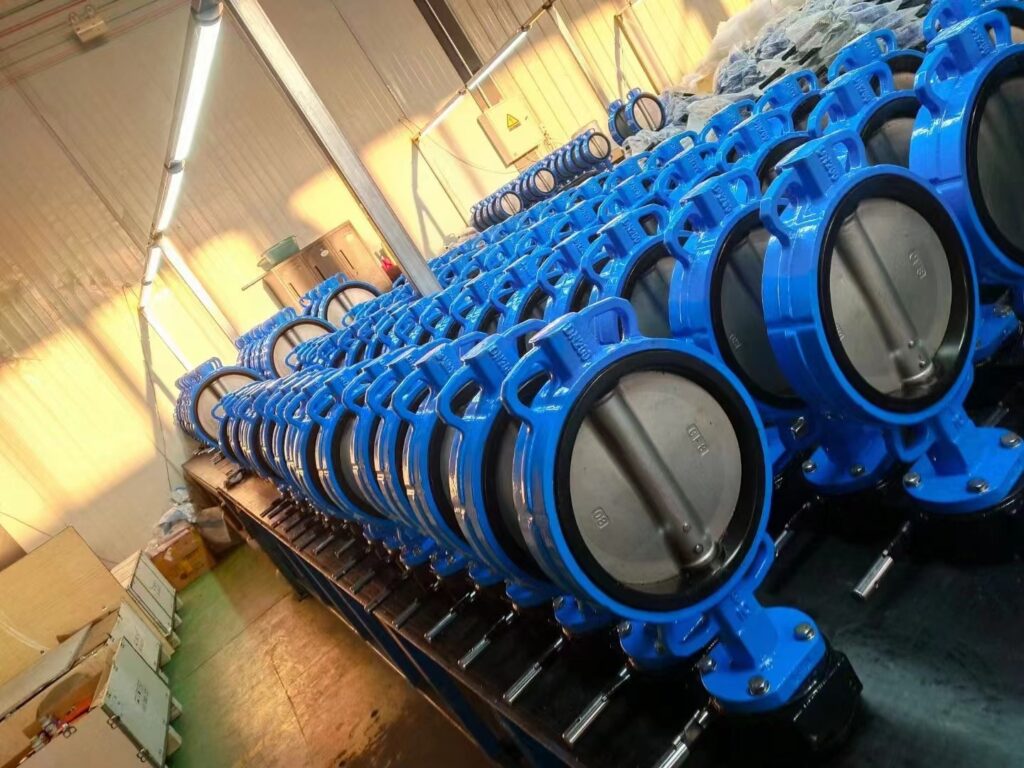
Understanding Butterfly Valves: Design, Function, and Applications
Butterfly valves are widely used in various industries for regulating the flow of liquids, gases, and other substances through pipes. Known for their simplicity, reliability, and cost-effectiveness, butterfly valves are an essential component in modern fluid control systems. Whether in water treatment plants, HVAC systems, or chemical processing facilities, butterfly valves play a crucial role in maintaining flow control and ensuring the efficient operation of pipelines.
What Is a Butterfly Valve?
A butterfly valve is a type of flow control device that uses a rotating disc or “butterfly” to regulate the flow of fluids. The valve consists of a circular disc mounted on a shaft, which is positioned within the pipe. When the valve is closed, the disc blocks the flow, and when it is opened, the disc rotates 90 degrees to allow fluid to pass through.
The mechanism is simple and efficient, making butterfly valves an ideal choice for applications where space is limited or where a quick response to flow adjustments is necessary. These valves are generally lightweight, making them easier to install and maintain than other valve types.
Types of Butterfly Valves
Butterfly valves come in various designs to suit different applications and industries. Some common types include:
- Wafer Style Butterfly Valve
The wafer-style butterfly valve is the most common and cost-effective type. It is installed between two flanges and is typically used in smaller pipelines where space is limited. These valves are popular in water systems, HVAC applications, and fire protection systems. - Lug Style Butterfly Valve
The lug-style butterfly valve features threaded lugs on the valve body, which allow it to be installed between two pipe sections or flanges without needing additional bolts. This type is ideal for situations where a valve may need to be removed or replaced without disrupting the entire pipeline system. - Flanged Butterfly Valve
Flanged butterfly valves come with flanged ends for easy installation between flanged pipe sections. These are typically used in larger pipelines, where higher pressures and flow rates need to be controlled. Flanged butterfly valves are commonly used in industrial applications, including chemical processing and water treatment plants. - Double-Offset and Triple-Offset Butterfly Valves
Double-offset and triple-offset butterfly valves feature special designs to enhance sealing performance and extend the valve’s lifespan. The “offset” refers to the positioning of the disc relative to the centerline of the valve body, improving sealing capabilities. These valves are typically used in applications requiring high performance and tight shutoff, such as in the oil and gas industry.
Advantages of Butterfly Valves
Butterfly valves offer several advantages that make them a popular choice in fluid control systems:
- Compact Design
One of the key benefits of butterfly valves is their compact design. The valve’s slim profile makes it ideal for installations in spaces where traditional valves would be too bulky. Their lightweight nature also reduces the overall installation and maintenance costs. - Quick Operation
Butterfly valves can be opened or closed with a quick quarter-turn (90 degrees), making them fast and easy to operate. This quick response time is particularly beneficial in systems where rapid adjustments to flow are required. - Low Pressure Drop
Due to their streamlined design, butterfly valves typically have a lower pressure drop compared to other valve types, such as gate or globe valves. This makes them more energy-efficient in many applications, helping to maintain optimal flow rates with less energy consumption. - Cost-Effective
Butterfly valves are generally more affordable than other types of valves. This is due to their simple design, the low cost of materials, and their ease of manufacturing. As a result, they are often used in large-scale systems where cost savings are essential. - Versatility
Butterfly valves can be used in a wide range of applications, from low-pressure systems to high-pressure industrial processes. They are suitable for both liquid and gas flow control and can handle a variety of fluids, including water, oil, chemicals, and slurry.
Applications of Butterfly Valves
Butterfly valves are used in a broad range of industries due to their versatility and efficient performance. Some common applications include:
- Water Treatment
Butterfly valves are often used in municipal water treatment plants for controlling the flow of water. Their compact design makes them ideal for managing large volumes of water with minimal space requirements. These valves also provide efficient flow control and can handle the varying pressures and flow rates that occur in water distribution systems. - HVAC Systems
In heating, ventilation, and air conditioning (HVAC) systems, butterfly valves regulate the flow of air or water through ducts and pipes. Their quick response times and space-saving design make them a preferred option for controlling airflow in large commercial or industrial buildings. - Chemical Processing
Chemical plants use butterfly valves to control the flow of a wide range of chemicals, including acids, solvents, and slurries. These valves are ideal for regulating flow in harsh chemical environments due to their ability to withstand high pressures and temperatures, as well as corrosive materials. - Oil and Gas
Butterfly valves are commonly found in the oil and gas industry, where they are used to control the flow of oil, gas, and other petroleum products. In these industries, the double-offset and triple-offset designs provide enhanced sealing capabilities and resistance to high pressures. - Food and Beverage
In the food and beverage industry, hygiene is paramount, and butterfly valves provide a reliable solution for controlling fluid flow in production processes. They are easy to clean and maintain, which is essential for meeting sanitation standards.
Maintenance and Care of Butterfly Valves
While butterfly valves are generally low-maintenance, regular inspections and servicing are essential to ensure optimal performance. Some key maintenance practices include:
- Cleaning: Regularly clean the valve to remove debris, especially if it is exposed to fluids with particulate matter or chemicals. Keeping the valve body and actuator clean helps maintain its performance and extends its lifespan.
- Lubrication: The valve’s stem and shaft should be periodically lubricated to prevent wear and tear, especially in high-pressure applications. Lubrication ensures smooth operation and reduces the risk of failure due to friction.
- Sealing Check: For valves used in critical applications, it’s important to regularly inspect the seals for wear and tear. Replacing seals at the first sign of damage helps prevent leaks and ensures tight shutoff.
- Regular Inspections: Periodic visual inspections can identify signs of corrosion, damage, or improper alignment. This early detection can prevent costly repairs or downtime.
Conclusion
Butterfly valves are an essential component in modern industrial and infrastructure systems, providing a reliable, cost-effective, and efficient means of flow control. With their compact design, fast operation, and versatility, they are widely used in industries ranging from water treatment to chemical processing and oil and gas. As technology continues to evolve, butterfly valves will remain an integral part of fluid control systems, offering the performance and reliability needed to meet the demands of modern infrastructure.